
Provincial Workshop on Business and Human Rights and Committee of Experts on Implementation of Conventions and Recommendations (CECAR) Reporting Held in Quetta and
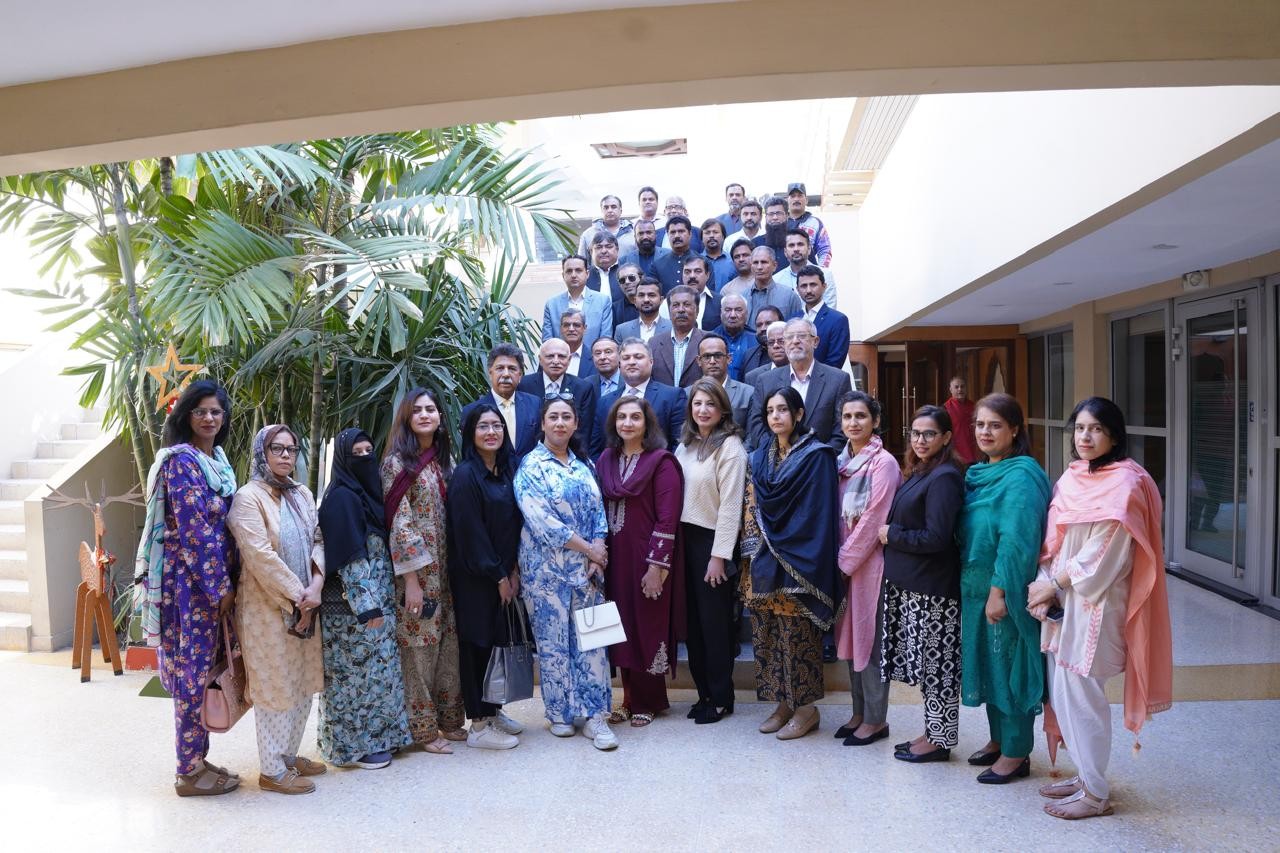
The Ministry of Human Rights, in collaboration with the International Labour Organization (ILO), organized a two-day Provincial awareness raising and capacity building workshop on the National Action Plan on Business and Human Rights (NAP-BHR) and reporting for the ILO’s Committee of Experts in Quetta (16th - 17th December, 2025) and Karachi (22nd - 23rd December, 2025). The event brought together key stakeholders from government departments, civil society, and the businesses. On first day, the Deputy Director of the Ministry of Human Rights, Ms. Khaola Batool, welcomed the participants and provided a comprehensive briefing on the National Action Plan on Business and Human Rights (NAP-BHR). She detailed the NAP-BHR development journey, from its grounding in the UN Guiding Principles to its formal approval by the Federal Cabinet in 2021. Ms. Batool highlighted the significant progress achieved, including the establishment of federal and provincial steering committees, multi-stakeholder awareness raising consultations, and the integration of BHR principles into policy. Ms. Batool facilitated a group activity where participants identified a BHR challenge such as child labor in the mining sector or discrimination in hiring and collaboratively developed practical solutions, including targeted awareness campaigns and strengthened provincial policy frameworks. Furthermore, she discussed the pivotal research studies commissioned by the Ministry of Human Rights, emphasizing their importance for businesses. These studies provide essential data and frameworks for development of Human Rights in Businesses, which is increasingly crucial for complying with international supply chain standards and for maintaining Pakistan’s access to valuable trade incentives under the European Union’s GSP+ scheme. On second day, Deputy Director Ms. Khaola Batool delivered a comprehensive presentation on Pakistan’s reporting mechanisms to international committees, detailing the specific action points under the NAP-BHR and the tangible progress achieved thus far. She explained how Business and Human Rights indicators are interlinked with other international conventions. Ms. Batool discussed several key areas, including women’s entrepreneurship programs, technical education schemes to be in consideration and also highlighted the initiatives like Women Bazar in Quetta, and the KUMAK program for development of persons with disabilities. She emphasized the critical importance of businesses establishing internal remedy mechanisms, such as dedicated committees, to address BHR grievances. Further action points discussed included facilitating low-interest loans for women and vulnerable groups, harassment awareness campaigns, regulatory reforms to reduce barriers for marginalized communities, creating safe and dignified workspaces for women’s, dedicated funding to address inequality, forming equal opportunity committees, identifying sectors with low women participation, and providing vocational training for women prisoners. Ms. Batool also introduced and disseminated a practical HRDD checklist for businesses and emphasized the value of the research studies commissioned by the Ministry of Human Rights in guiding evidence-based policy. The session concluded with active engagement from all participants, who contributed to detailed discussions on integrating human rights into business operations and proposed concrete recommendations for improvement. Ms. Khaola Batool brought the event to a close by expressing her appreciation to all stakeholders, partners, and participants for their committed involvement, reiterating the Ministry’s dedication to advancing the business and human rights agenda through sustained collaboration and actionable follow-up.