
MINISTRY OF HUMAN RIGHTS CONDUCTS TWO-DAY SENSITIZATION WORKSHOP FOR PRISONS AUTHORITIES ON HUMAN RIGHTS FRAMEWORK IN SAHIWAL ON 25th AND 26th SEPTEMBER, 2026
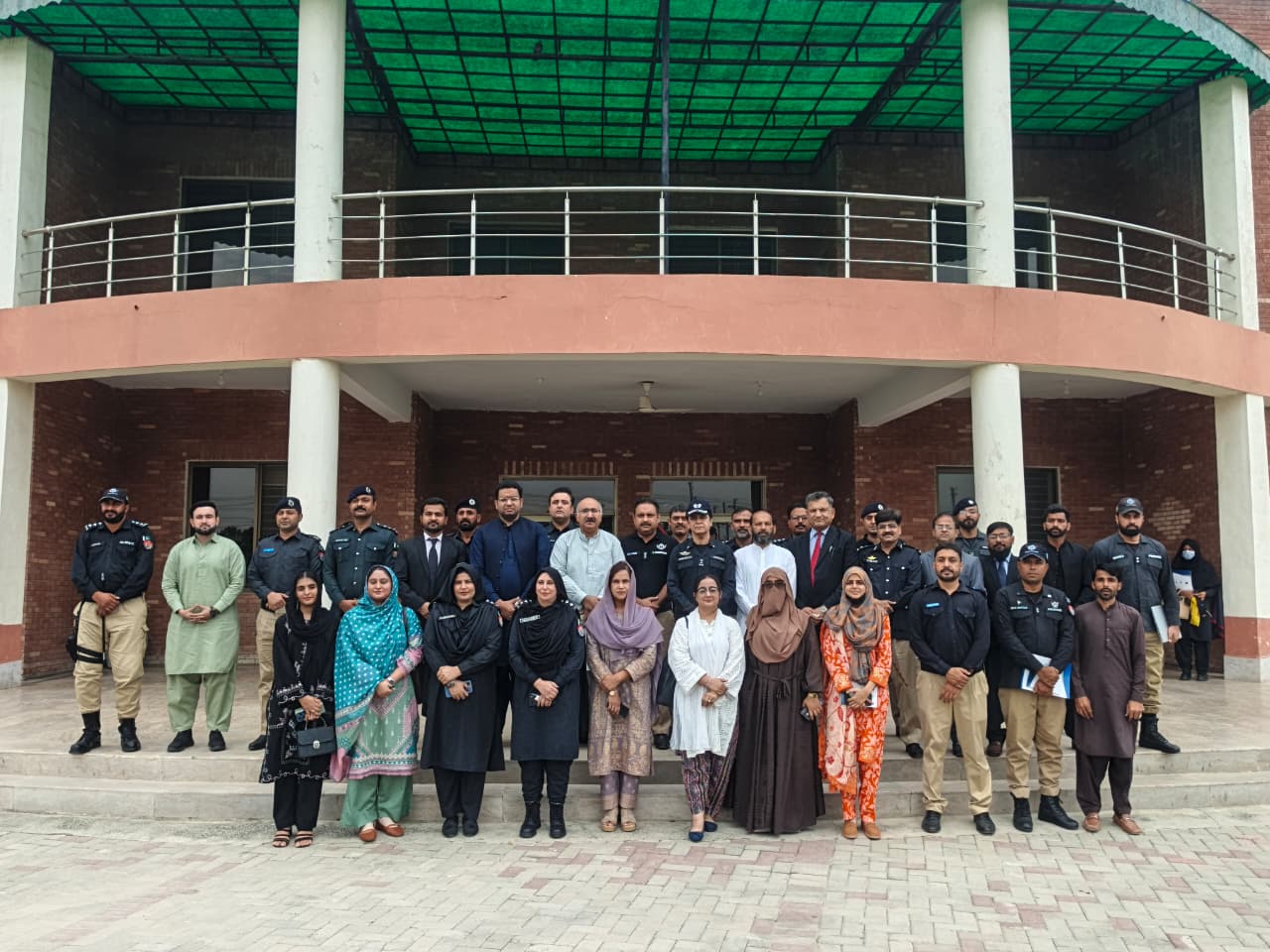
The Ministry of Human Rights in collaboration with UNDP Pakistan under the Huqooq-e-Pakistan II Project organized a ‘Two-Day Sensitization Workshop of Prisons Authorities across Pakistan’ at Punjab Prisons Staff Training College in Sahiwal from 25-26 September, 2026. The workshop was focused on enhancing the understanding and capacity of Prisons Authorities regarding the National and International Human Rights Framework applicable to Prison Management, with particular emphasis on the rights of prisoners, women prisoners and other vulnerable groups, complaint and accountability mechanisms, rehabilitation, reintegration and rights-based prison administration in compliance with the implementation under Action 51 of the National Action Plan for Human Rights (NAP-HR) and Action 30 of National Action Plan for Business and Human Rights (NAP-BHR). The workshop commenced with welcome remarks by Mr. Saqib Nazir Chaudhry, Deputy Commandant, Punjab Prisons Staff Training College highlighting ongoing efforts to strengthen human rights governance in Pakistan's prison system through enhanced capacity development and institutional coordination. This was followed by comprehensive presentations by the Ministry of Human Rights. The session emphasized the importance of equipping prison officials with practical knowledge of national and international human rights frameworks and their application in prison management. During the first day, participants engaged in interactive sessions on fundamental human rights concepts and core principles, international human rights instruments and Pakistan's commitments, the national human rights framework in Pakistan, and gender, women's rights and gender-responsive prison management. Through presentations, group exercises, and practical activities, participants explored the linkages between human rights principles and prison management, while identifying challenges and opportunities for improving rights-based correctional practices. The session concluded with comprehensive presentation by Mr. Shoukat Feroze Malik, DIG Prisons Headquarters Punjab/ Commandant PPSTC, in which he shared progress and initiatives undertaken by the Punjab Prisons Department in general and PPSTC in specific on prisons governance, capacity building, mental, physical and psychological training of prisons staff and officers including other welfare activities carried out by the PPSTC He stressed upon a number of initiatives & programs launched i.e., SEWAPS, CRISP to ensure that prisons authorities are well trained and positioned to handle biases, discriminations, and high pressure situations. The learned members of academia (Head of Department University of Sahiwal, Director Programme Comsats University, and Director Programme Allama Iqbal Open University) graced the workshop with their participation and valuable contribution with their thoughts on the significance of human rights in prison management. The second day focused on strengthening participants' understanding of the rights of prisoners under the Pakistan Prisons Rules 1978, gender and vulnerable groups in prisons, rehabilitation, vocational training and post-sentence employment opportunities for women prisoners under NAP-BHR, and complaint and accountability mechanisms. Dr. Qadeer Alam, AIG Prisons Department gave a detailed account of evolution, developments, standards and rights of prisoners & prisons staff. In his closing remarks, Mr. Zulfiqar Ali, Director, Ministry of Human Rights, appreciated the active participation and valuable contributions of representatives from prison authorities. He emphasized the importance of sustained collaboration among stakeholders to ensure effective implementation of Pakistan's human rights commitments in the prison system. Reaffirming the Ministry's commitment to continued capacity-building initiatives, he noted that strengthening institutional knowledge, coordination, and accountability mechanisms remains essential for advancing human rights protections and promoting dignity, rehabilitation, and justice within correctional facilities across Pakistan. The workshop concluded with the distribution of certificates to participants, also with a shared commitment to enhance cooperation among stakeholders and support rights-based prison management.